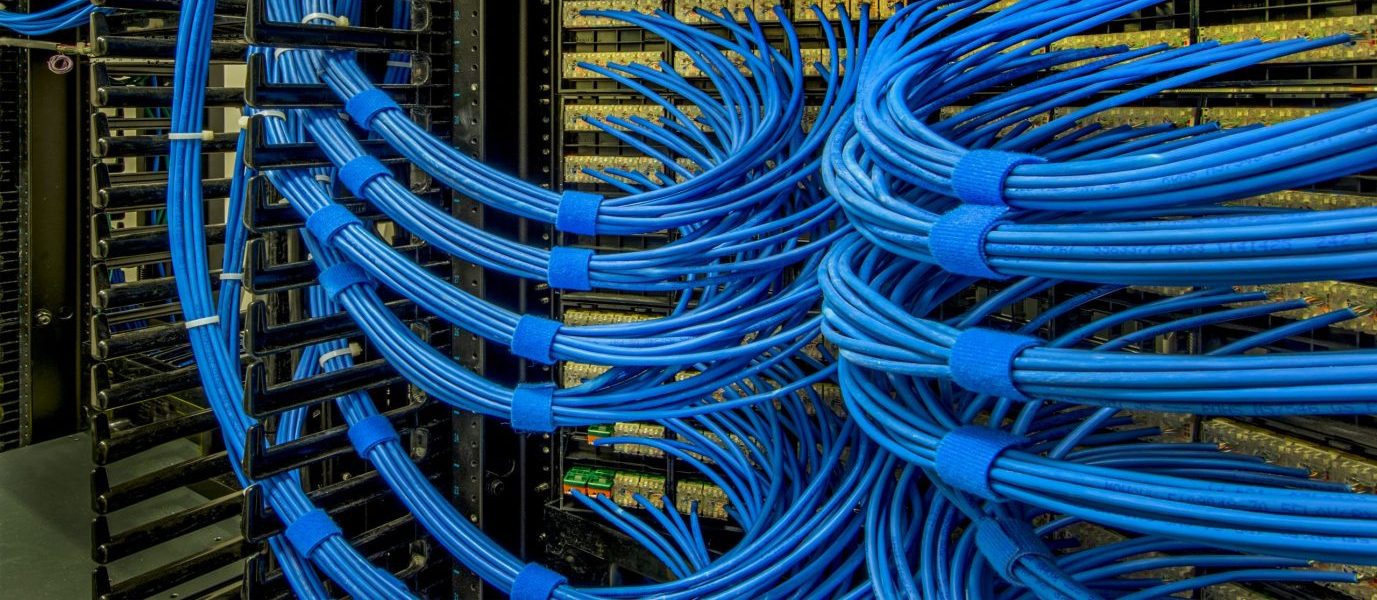
As data center connectivity scales to support AI workloads, attention is often focused on bandwidth and performance. In high-density environments, however, the practical aspects of handling and access begin to play a more significant role in deployment outcomes.
At lower densities, connection processes are relatively forgiving. As density increases, the same actions—mating, seating, and inspection—require greater precision and produce less consistent results if conditions are constrained.
Density Changes the Working Conditions
Higher connection density reduces spacing between adjacent interfaces and limits available working space.
This leads to:
- Restricted hand positioning
- Reduced visibility
- Limited direct access to individual connections
These conditions make routine tasks more dependent on careful positioning and controlled movement. This applies across common interface types, whether duplex formats such as LC or higher-density multi-fiber interfaces such as MPO.
Handling Becomes a Source of Variation
Each connection requires physical interaction. In dense environments:
- Insertion angle may vary due to limited access
- Applied force may differ between connections
- Close proximity increases the chance of unintended contact
These factors introduce variation into how connections are made, regardless of interface type.
Mechanical Consistency Matters at Scale
As connection counts increase, consistency across those connections becomes more important.
This includes:
- Repeatable alignment during mating
- Stable positioning within the interface
- Consistent engagement feel and retention
Small differences that are negligible in smaller systems can become more noticeable when multiplied across many connections.
Access Limitations Affect Repeatability
Not all connections offer the same level of access. Some ports require indirect handling or adjusted positioning.
This creates:
- Variation in installation approach
- Increased likelihood of disturbing adjacent connections
- Reduced repeatability across the system
Error Sensitivity Increases
In dense environments, small issues can affect multiple connections or take longer to isolate.
Examples include:
- Slight misalignment affecting multi-lane links
- Disturbance to neighboring connections during handling
- Increased complexity in identifying root causes
Contamination Risk Increases with Handling Constraints
Frequent interaction in constrained spaces increases the difficulty of maintaining clean interfaces.
Contributing factors include:
- Limited inspection visibility
- Restricted cleaning access
- Increased handling frequency
Adapters with protective features, such as integrated shutters, can help reduce exposure when connections are not engaged, although careful handling practices remain important.
The Gap Between Procedure and Practice
Installation procedures are typically defined under controlled conditions. In dense environments, actual working conditions may differ.
This can lead to:
- Variation in execution
- Differences between expected and actual outcomes
Designing for Repeatability and Control
Reducing variability in dense environments involves improving how connections behave during handling.
Key considerations include:
- Accessibility without disturbing adjacent connections
- Consistent engagement behavior
- Reduced sensitivity to small variations
Different interface types—including LC, MPO, and more compact formats—may offer different trade-offs in these areas depending on the deployment.
Conclusion
As connection density increases, the reliability of deployment becomes more dependent on handling conditions, access, and consistency. Small variations that have minimal impact at lower densities can become more significant when systems scale.
Understanding these practical constraints is essential for achieving consistent outcomes in high-density environments.
Suncall America develops precision fiber optic connectors and adapters used in high-density network environments. This article is part of an ongoing effort to share practical insights on connectivity challenges in modern data center infrastructure.*