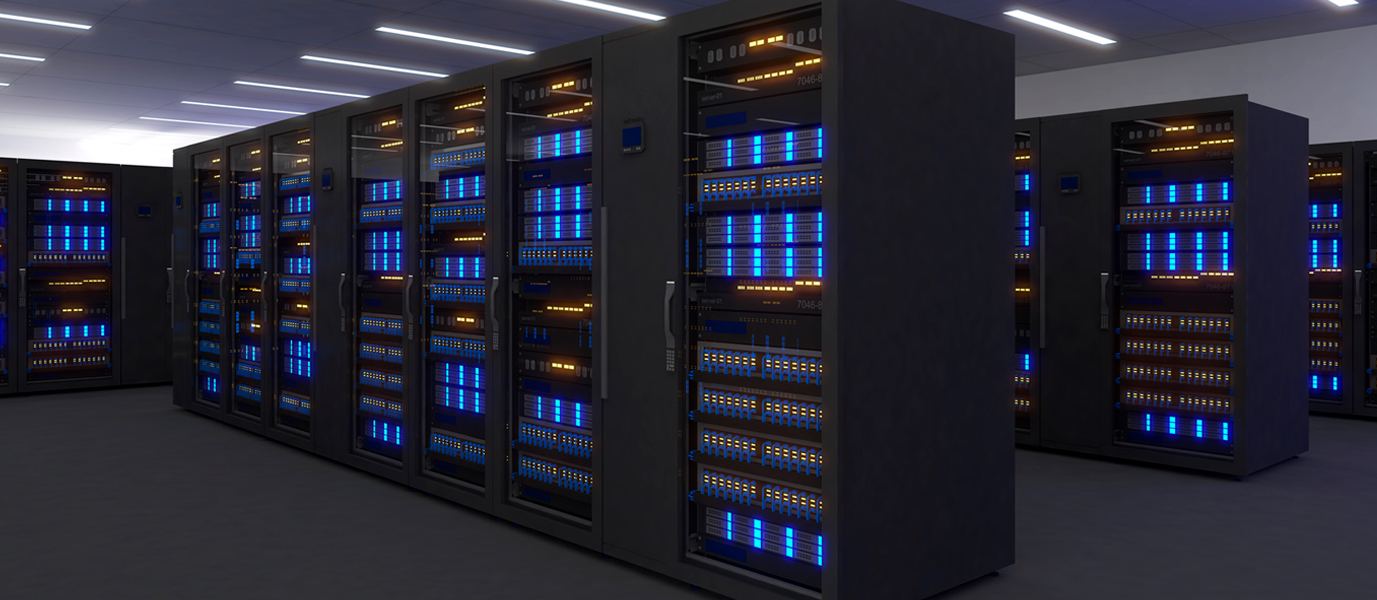
As network density increases, space becomes one of the most practical constraints in fiber infrastructure. Data centers, telecom facilities, and high-density equipment environments are being asked to place more connections into the same footprint.
But adding more ports does not remove the physical requirements around them. Fibers still need to be routed, inspected, cleaned, removed, and serviced after the panel is populated.
That is why Very Small Form Factor, or VSFF, connectivity is becoming more relevant.
The discussion often starts with size. A smaller interface can help increase port density and make better use of limited panel space. But the real design question comes later: what happens once the system is fully installed?
Can a technician still reach the connector?
Can patch cords route cleanly without adding stress near the interface?
Can one connection be removed without disturbing the neighboring port?
Can the system remain serviceable as fiber counts continue to rise?
Higher density is only useful if it remains manageable.
The Hidden Cost of Higher Density
In lower-density environments, standard formats such as LC and MPO often provide enough working space. A technician can grip the connector, see the port, manage cable movement, and confirm engagement without much interference from nearby connections.
In a crowded 1U or 4U patching area, the same task changes. Connectors sit closer together. Visibility becomes limited. Cable paths are tighter. Routine maintenance may require more controlled hand positioning and more careful movement around adjacent links.
This is not a weakness of traditional interfaces. LC and MPO connectivity remain essential across many network architectures. But as fiber counts increase within fixed space, the physical limits around access, routing, and serviceability become more visible.
Rethinking the Interface Around Real Use
VSFF is not only about shrinking the connector footprint. A smaller interface changes how the surrounding design needs to work.
The release mechanism still needs to be reachable. The boot still needs to support practical cable routing. Polarity handling, inspection, cleaning, and removal still need to fit real maintenance workflows.
These details matter in high-density environments because small handling diVerences can accumulate. Across hundreds or thousands of connections, a design that improves access, reduces unnecessary cable movement, or simplifies extraction can support more consistent deployment and service.
The goal is not density alone.
The goal is usable density.
Balancing Port Count and Serviceability
A high-density panel may look eVicient in layout, but if individual ports are diVicult to reach
after installation, operational eViciency can suVer. Service events may take longer.
Adjacent connections may be disturbed. Cable management may become harder to maintain over time.
This is where mechanical design details become important.
Push-pull handling can make connectors easier to remove in tight spaces. Compact boot profiles can help support cleaner routing. Shuttered adapter options can help reduce exposure when ports are not engaged. Clear polarity access can simplify field adjustments without adding unnecessary handling steps.
These features do not replace optical performance requirements. They help protect performance by making the connection easier to install and maintain correctly.
Where SN® Fits
SN® is one example of a VSFF connector format developed for high-density optical networks. Its compact duplex design makes it relevant for applications where panel space is limited and fiber counts continue to increase.
For customers evaluating VSFF options, SN should be considered as part of a broader design conversation: density, access, routing, serviceability, and supply continuity all matter.
Suncall is expanding its VSFF connectivity portfolio through licensed SN connector technology, including SN connectors, SN Uniboot connectors, and SN shuttered adapters for high-density network environments.
For Suncall, SN is not simply an addition to the product portfolio. It aligns with the company’s broader focus on precision manufacturing, application-specific support, and engineering collaboration.
Conclusion
As fiber counts continue to rise, smaller interfaces can help address space constraints. But size alone does not solve the full deployment challenge.
The real value of VSFF connectivity is its ability to support higher density while keeping access, routing, and maintenance in focus.
In high-density networks, the question is not only how many connections can fit into the panel. It is whether those connections can be installed, serviced, and maintained consistently under real operating conditions.
Suncall America works with customers to develop precision fiber optic connector and adapter solutions for high-density, specialized, and application-driven environments. With SN connectivity joining its portfolio, Suncall continues to support network designs built for compatibility, density, and reliable real-world use.
Suncall America develops precision fiber optic connectors and adapters used in high-density network environments. This article is part of an ongoing effort to share practical insights on connectivity challenges in modern data center infrastructure.*